The company at the heart
of our pedagogy
Historically linked to the professional world, L'École de design Nantes Atlantique has developed an educational approach with a high degree of interaction with the business world in order to guarantee that the designers it graduates will be able to enter the workforce.
The school promotes a project-based pedagogy and offers a wide range of opportunities for companies to recruit individuals who are particularly sensitive to technological, societal and environmental changes:
- internships
- apprenticeships
- prospective studies
- workshops
- projects in partnership with companies on real-life issues
- talks and classes with professional designers.
More than just "creatives", our responsibility is to train "professionals of creation and innovation" in touch with real life. L'École de design Nantes Atlantique trains designers capable of anticipating the world of tomorrow, who will be ready to enter the workforce immediately after their studies.
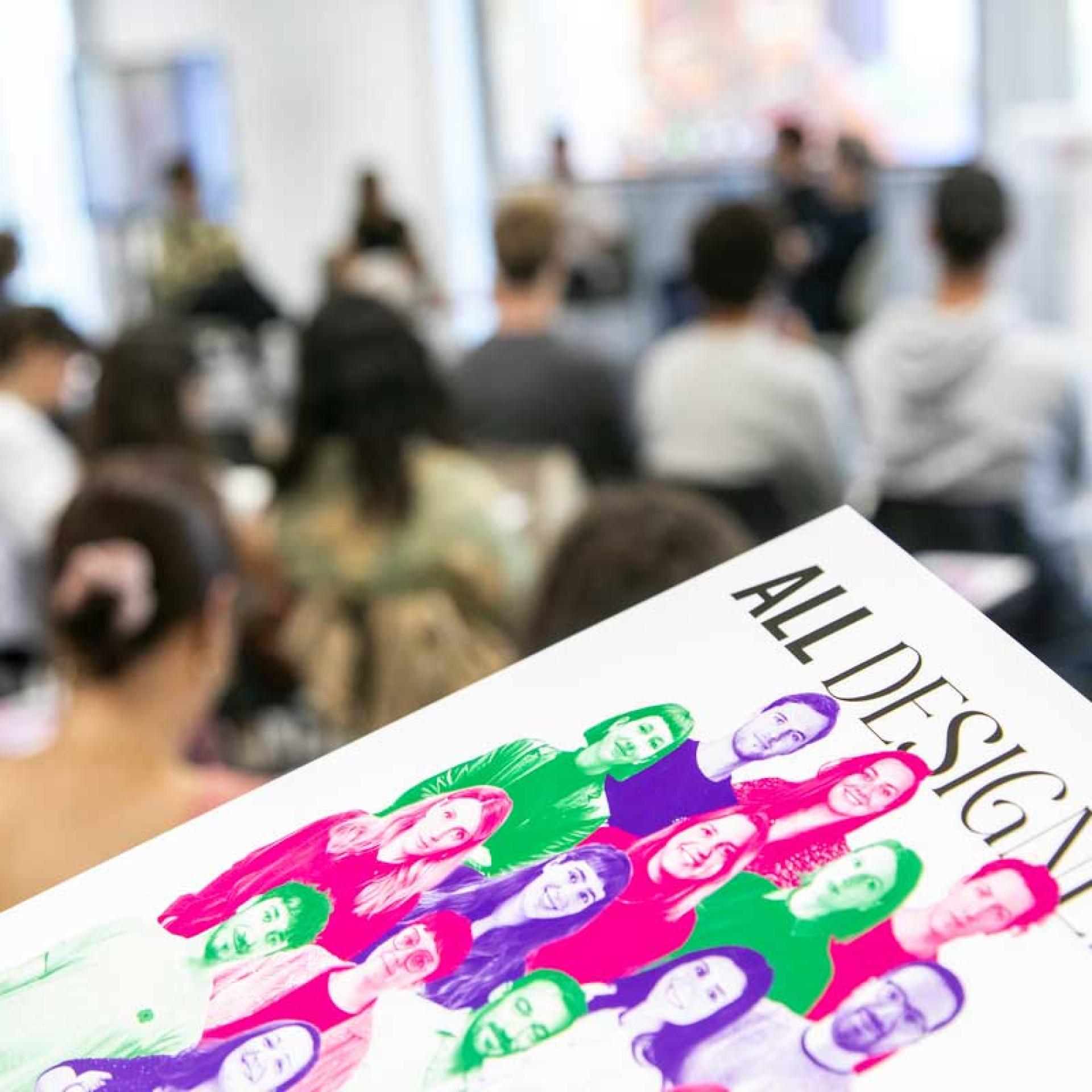
sont en activité 12 mois après leur diplôme (Bac +3 et Bac +5)*
sont satisfaits ou très satisfaits de leur emploi à 5 ans**
Un accompagnement pour l'insertion professionnelle
Tout au long de l'année, nos équipes accompagnent la professionnalisation des étudiants à travers de nombreux événements et dispositifs :
- L'accès à ParcOOroo, une plateforme d’e-learning qui propose aux étudiants de nombreux outils et contenus pour réussir leurs candidatures en entreprise. Ils y trouvent notamment des conseils des équipes dédiées à la professionnalisation pour optimiser leur CV, apprendre à cibler des entreprises et structurer efficacement leur recherche d’emploi.
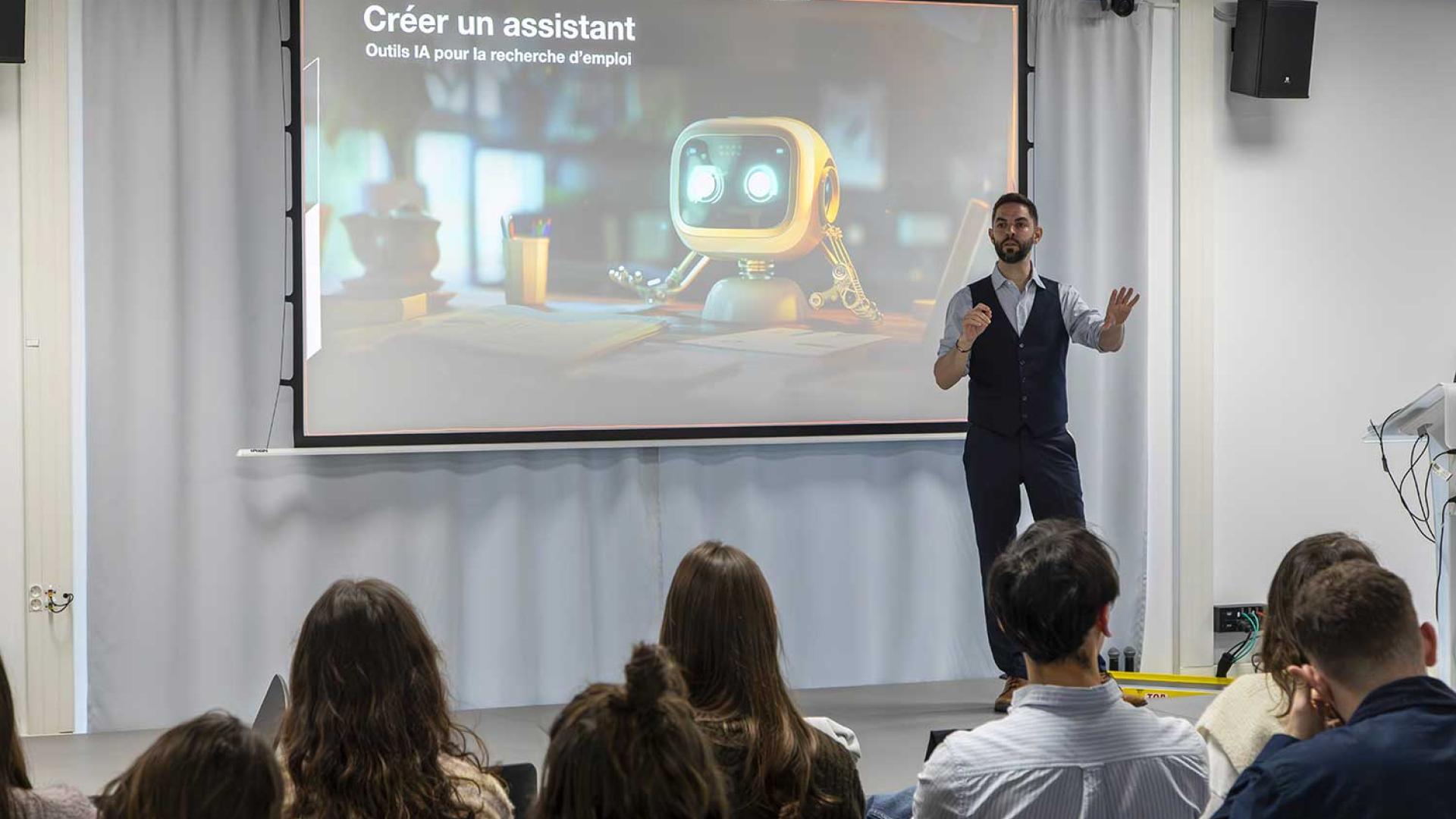
- La journée "Boost ton projet pro" : une journée pour se projeter dans son avenir professionnel et passer à l’action avec des ateliers interactifs, des simulations d’entretiens, des job datings, des conférences inspirantes, des échanges avec des diplômés de l'école ou des entreprises partenaires... C'est l'occasion rêvée pour nos étudiants d'apprendre à défendre leur valeur ajoutée en entreprise, se constituer un réseau, se lancer dans l'entrepreneuriat, prendre la parole en public ou encore à utiliser l’IA dans leur recherche d'emploi, de stage ou d'alternance.
- Des rencontres et des temps d'échanges avec des professionnels : l'école organise tout au long de l'année des tables rondes et des conférences avec des Alumni et des professionnels.
- Le coaching sur le CV : ces ateliers collectifs permettent aux étudiants de challenger leur CV pour une recherche de stage ou d'alternance.
- Le coaching sur la candidature : un atelier mensuel en petit groupe sur une thématique particulière (entretien, offres, candidatures spontanées etc.)
- Un agent IA dédié à la simulation d'entretiens : cet agent conversationnel développé par nos équipes permet aux étudiants de simuler des entretiens à l’oral ou à l’écrit tout au long de l'année. Ils peuvent ainsi avec un retour personnalisé sur leurs réponses et découvrir les questions récurrentes posées en entretien d'embauche.
- L’accès à des offres d'emploi sur Grimp : les équipes dédiées à la professionnalisation publient des offres d’entreprises ciblées sur une plateforme dédiée et assurent un matching entre les besoins des entreprises et les profils des candidats.

Projects in partnership with companies
The pedagogy of L'École de design Nantes Atlantique aims to optimize the quality of the relationship with companies by including numerous professional projects in partnership at the heart of the curriculum.
These projects allow students to work on real problems and to develop tools and solutions for the partner structure. Supervised by the teaching staff, the students use the tools and methodologies of prospective design to anticipate the uses and markets of tomorrow.
The department dedicated to partnerships ensures that the design briefs proposed by the companies (real case studies) are adapted to the teaching content (case studies adapted to the changing process of acquiring knowledge and know-how), in consultation with the teaching team.
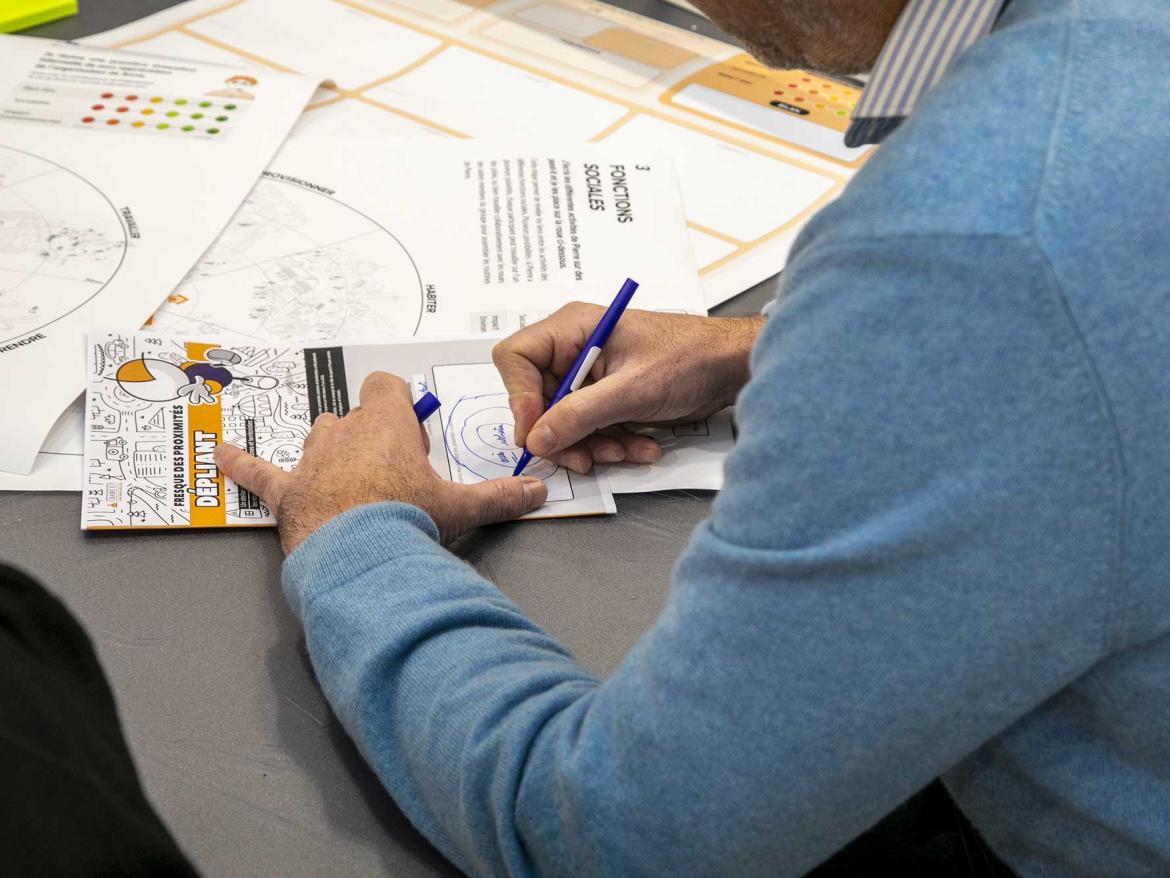
A professional approach: learning by doing
Our school prepares its students for the world of work thanks to project-based teaching and its workshops, spaces dedicated to expressing their creativity in professional conditions:
- Model workshops (wood, foam and plastic workshops; publishing workshop; moulding workshop; laser cutting and engraving...)
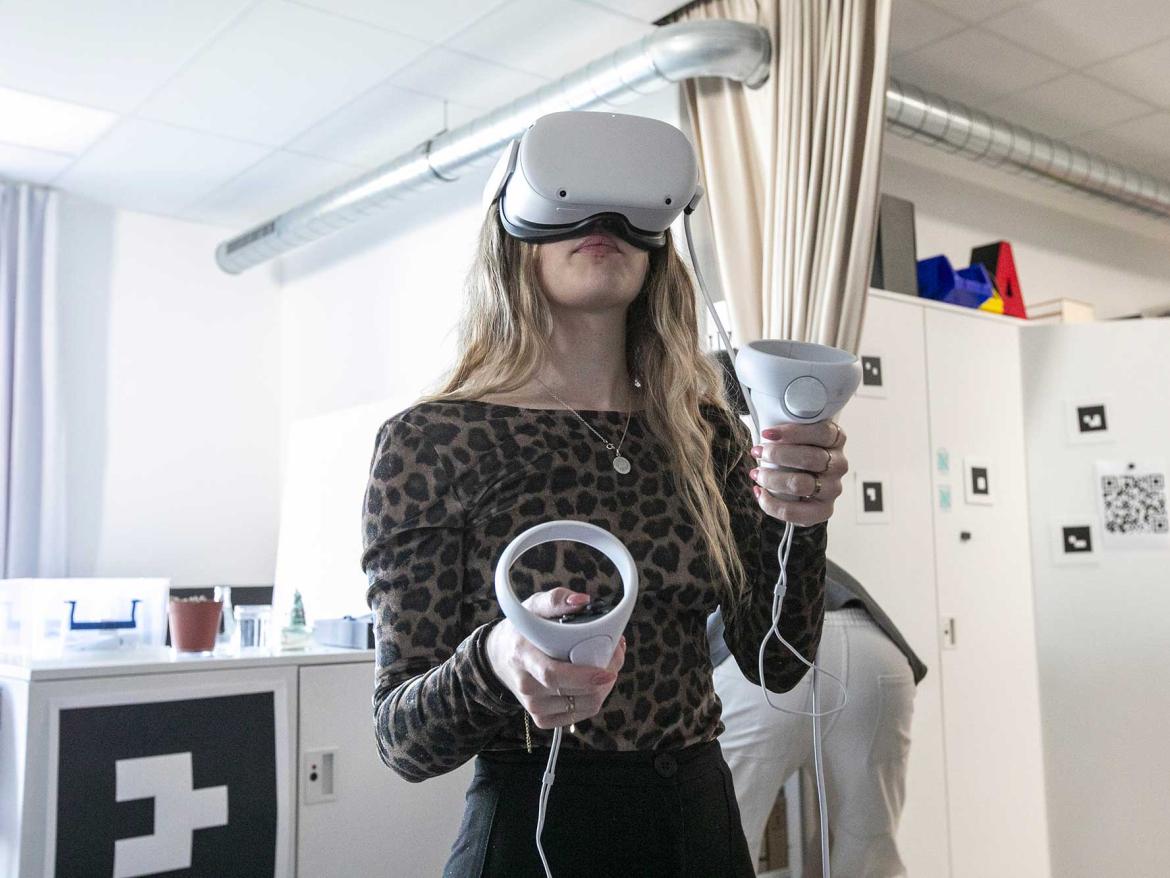
- Digital workshops with advanced technologies: shooting, motion capture, sound, virtual and augmented reality...
The school also encourages its students to take part in design competitions to present projects developed within a given timeframe, with specific constraints.
Most courses are taught by working professionals. The school also regularly organises meetings and conferences with design experts and graduates of the school, who have gone on to careers all over the world.
Our international students share their experiences:
'We have professional design teachers who give us an insight into their experiences, but who also help us with the projects.' - Ruggero, Italian student
'The school really focuses on practice and innovation. I manage design projects with the company from briefing to final presentation.' - Wenyue, Chinese student
Internships
Students preparing for the Master's program can do internships during the two years.
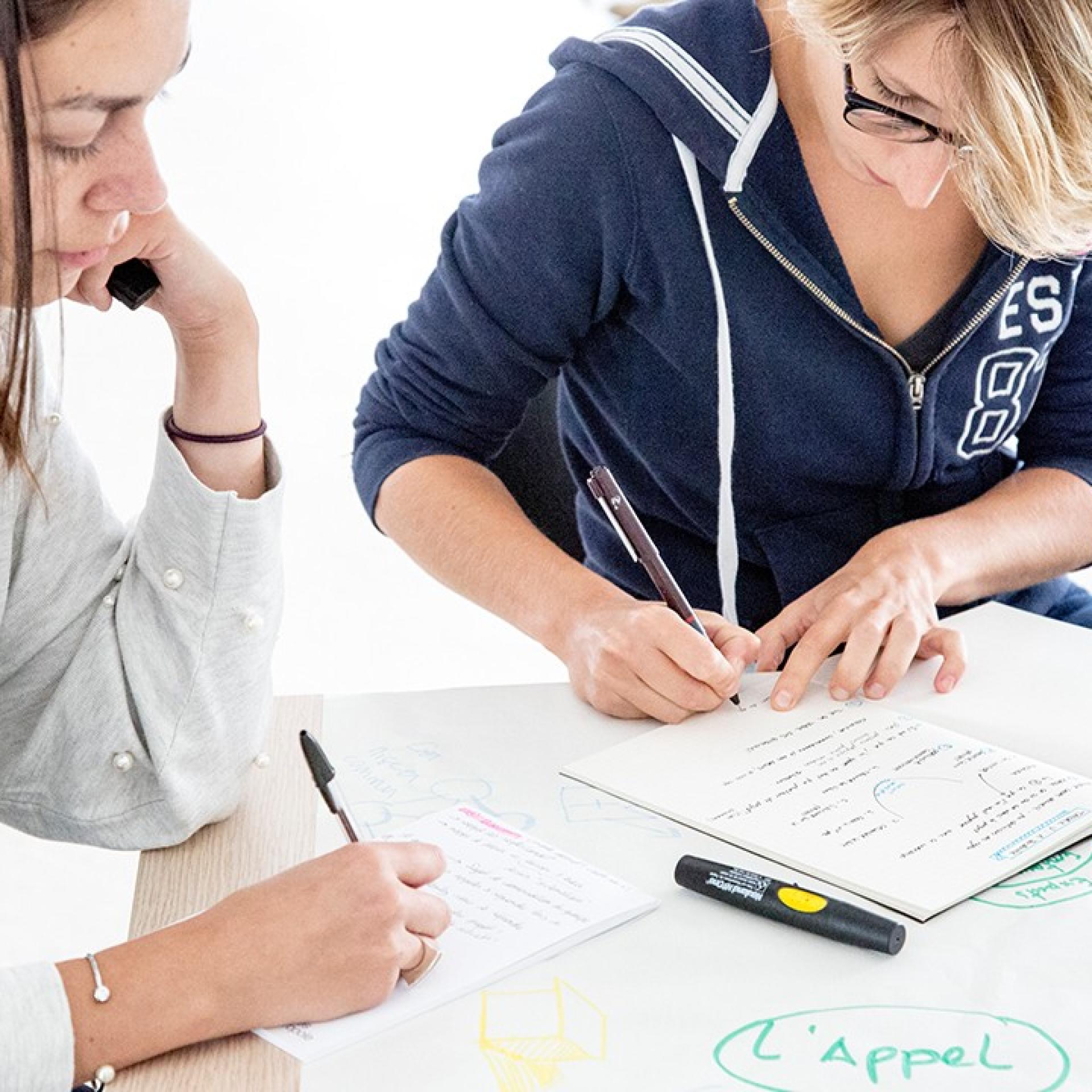
The purpose of these internships is to contribute to ongoing projects within the company and to discover the requirements of the professional world. These internships are also an opportunity for students to demonstrate design project management skills.
The first year of Master
- Students who join our International Master in France spend the 1st semester learning the school's working methods in a multidisciplinary approach: methodology seminars, positioning the designer in the company, creativity, marketing, projects, language courses, interculturality, etc.
- Students who join our International Master in China or Brazil complete an internship of at least 13 weeks. abroad as a junior designer. Prior to the internship, they take part in a welcome and methodology seminar on transculturality, as well as language and local culture courses.
The 2nd year of Master
Students have an internship lasting a minimum of 16 weeks (and a maximum of 6 months) in a company in France or abroad.
During this period, students work as junior designers and are responsible for all or part of a project. They are expected to demonstrate their ability to integrate a team, manage a project and successfully complete each stage of its development.




*Source : Enquête d’insertion réalisée auprès des diplômés de la promotion 2023 par téléphone
**Source : Enquête (Conférence des Grandes Écoles) sur l'insertion professionnelle des Alumni issus des 5 dernières promotions de l'école