
Recruiting a designer
Why recruit our graduates?
Founded in 1988, L’École de design Nantes Atlantique considers design as a discipline at the crossroads of creation, strategy, and management. It trains students who bring a new mindset, new perspectives, and working tools that companies sometimes lack, helping them face tomorrow’s challenges.
Creative talent to design tomorrow’s world
At L’École de design Nantes Atlantique, students are taught that creativity is a tool used to respond to user needs in a rapidly changing world.
Creativity as a driver of responsible innovation
While artists rely on introspection to create, designers aim first to understand others and the world around them. This empathetic and altruistic approach defines the designer’s mindset. Combined with new technologies, creativity helps turn user needs into tangible solutions.
At the same time, designers work toward the goals of companies and clients while contributing to meaningful, responsible, and sustainable innovation—innovation that makes sense for users and aligns with major current and future societal challenges.
The strength of the school’s designers lies in their ability to generate original and innovative ideas that help shape a positive and resilient society.
"
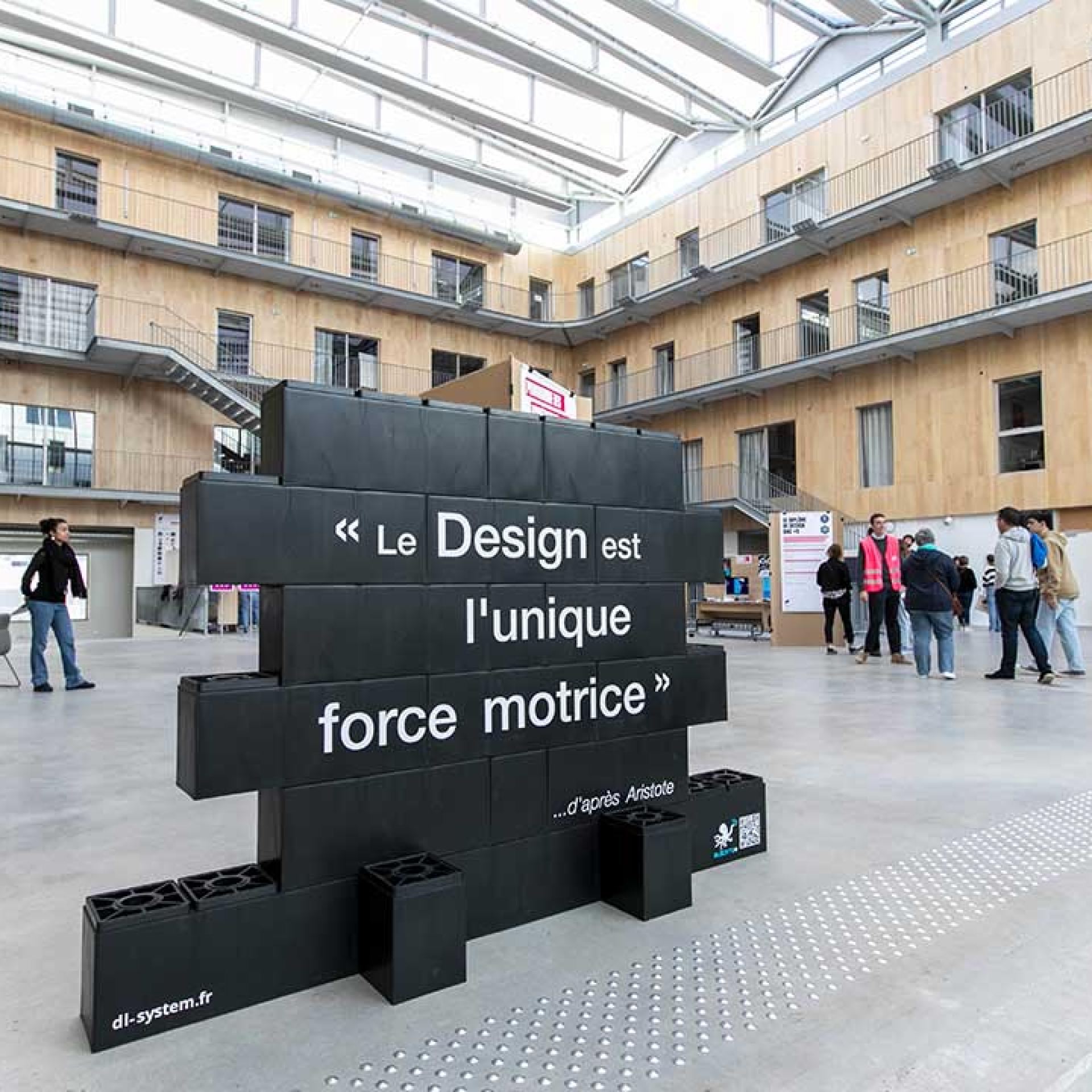
Because they bring fresh perspectives and creativity, students naturally push teams to step outside the usual framework and question established norms. They open up new paths and, through exchange, help foster a Design Thinking mindset within project teams.
"
A critical mindset open to the future
Graduates of L’École de design Nantes Atlantique are able to project themselves into the world of tomorrow. The school develops a conception of design aligned with the expectations of companies and organizations.
Designers play a key role in shaping the future, combining creativity, management, and strategy. The school encourages a broader reflection on design professions and their role in business and society. Students are encouraged to take a step back and develop critical thinking (and even self-criticism) to continuously evolve.
To achieve this, students take part in experiences that foster openness of mind:
- They join dedicated Design Labs focused on future challenges
- They take sociology courses and participate in critical design projects (e.g., “anti-design” or debates on digital usage)
- They can study abroad to experience different cultures and perspectives
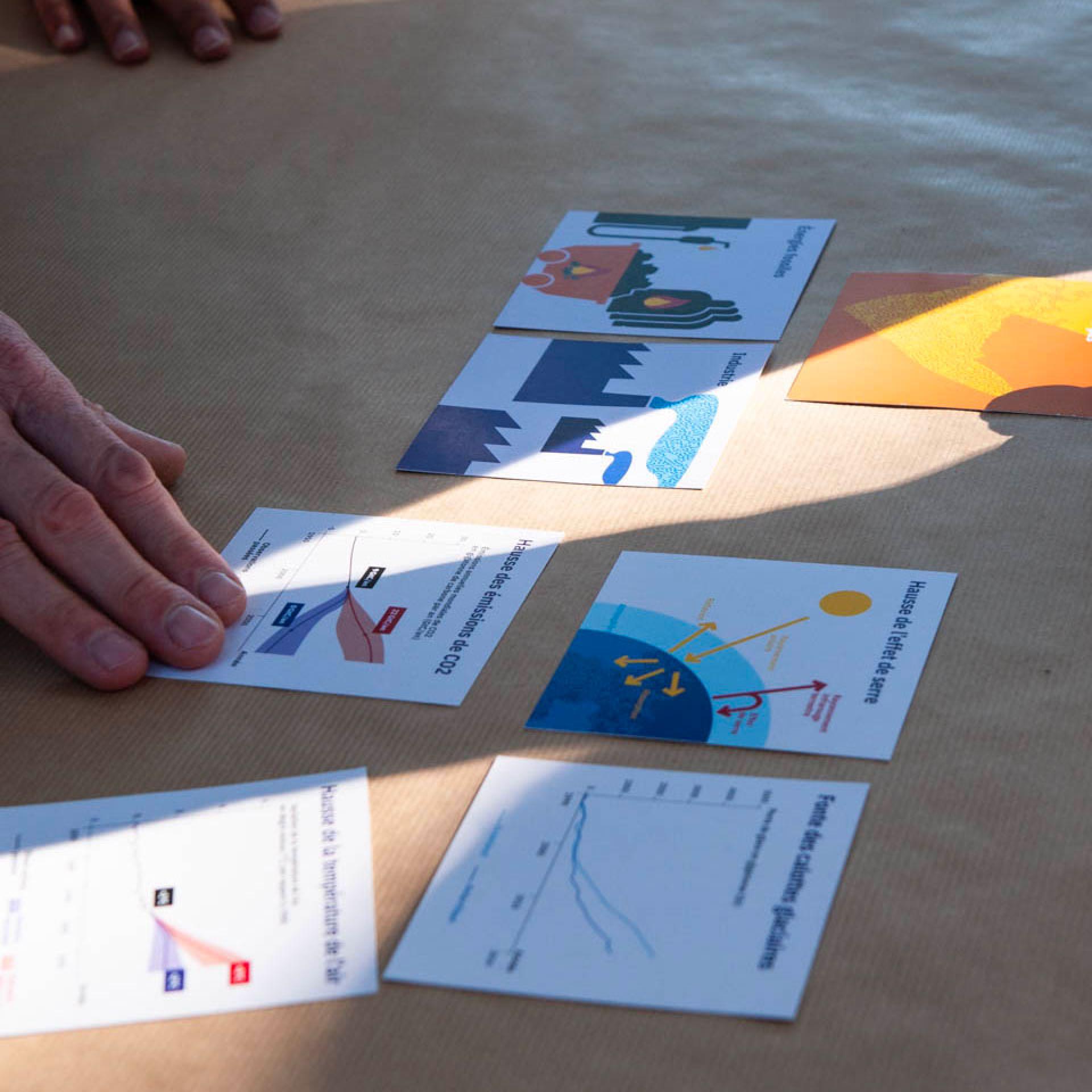
- They are continuously trained on environmental issues and learn to measure and improve the ecological and social impact of their projects
"
New environmental challenges raise the question: are we part of the problem or the solution?
"
Agile designers able to work in teams
A constantly changing society creates increasingly complex challenges for companies. They can rely on the cross-disciplinary skills of the school’s graduates.
Interdisciplinarity…
After their bachelor’s degree, students can continue into a master’s cycle where they choose a socio-economic focus area among five Design Labs:
- le Care design,
- le City design,
- le Digital design,
- le Food design,
- le Media design.
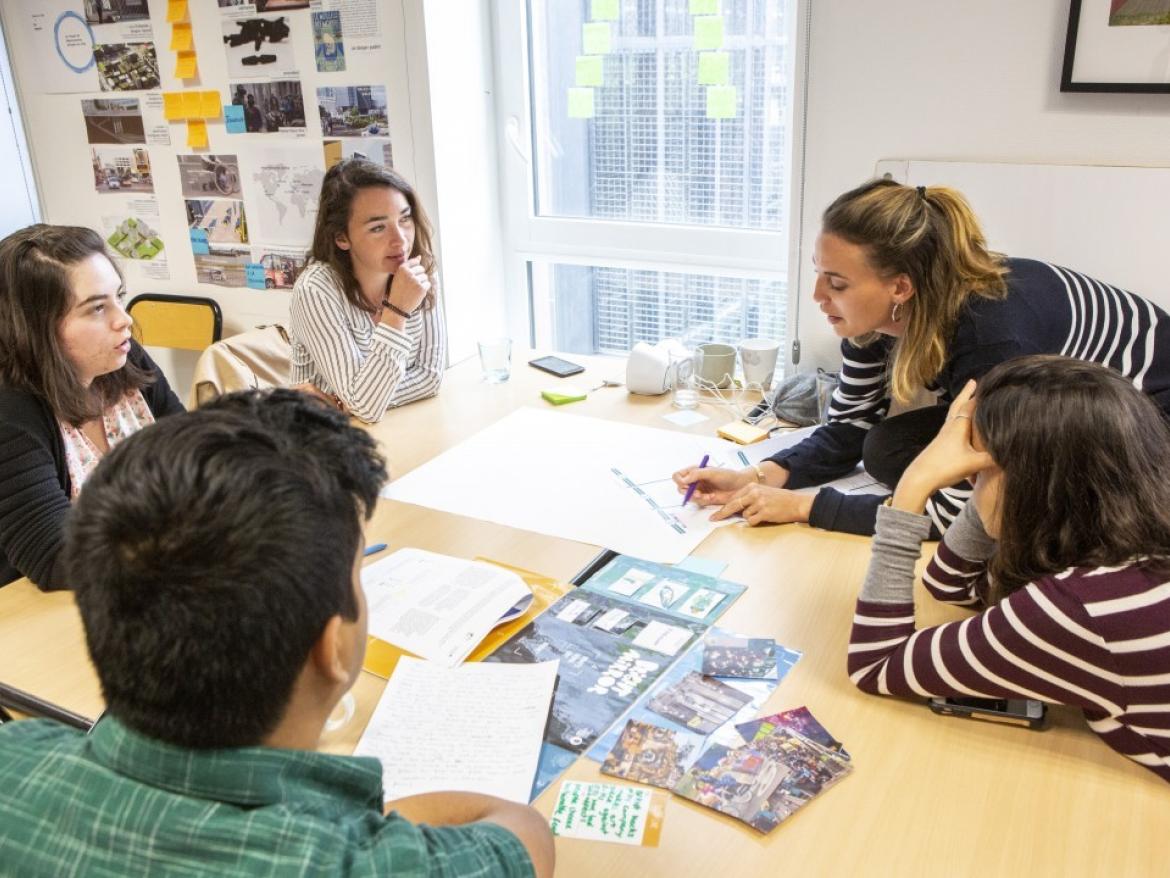
This approach leads students to collaborate with peers from other disciplines on interdisciplinary projects.
"
The school gave me a broad openness to all areas of design and related disciplines, which is extremely valuable for our journey, as it allows us not to be confined to a single field of practice.
"
…towards multidisciplinary collaboration
Students also work on real-world projects with companies, research labs, and other schools. Examples include:
- ECOTROPHELIA (European food innovation competition)
- Design Factory Nantes (project-based learning with Polytech Nantes)
- Practical Oriented Systemic Design workshop (international collaboration with OsloMet)
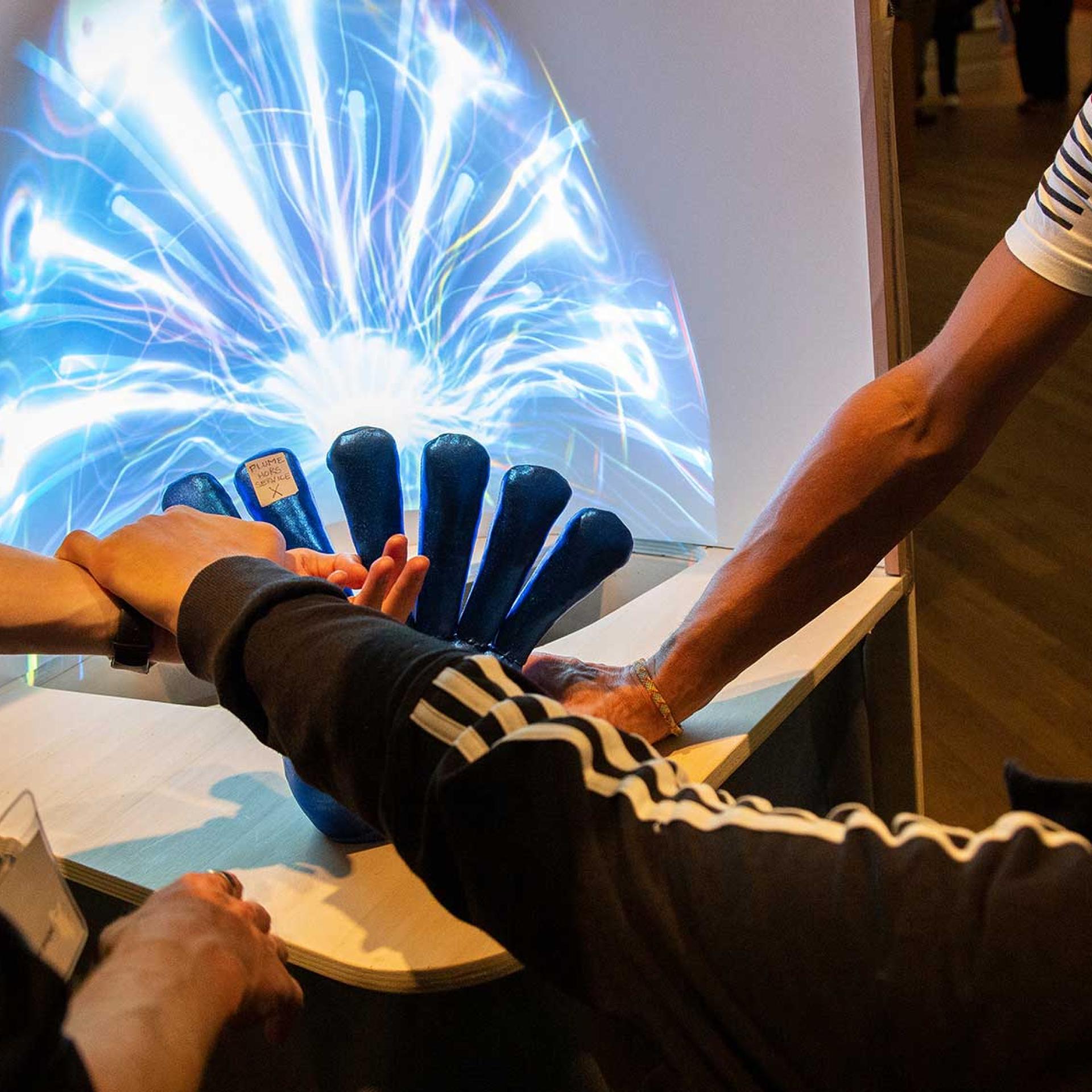
- BiomimiCry (Nantes Digital Week project combining nature, design, and digital technologies)
These experiences help students understand how disciplines interact and use design to solve complex problems.
"
The goal of the BiomimiCry project is to bring designers, scientists, biologists, and visual artists together to share a collective reflection on the project’s direction, ensuring the relevance and accuracy of the proposed solution.
"
…and teamwork as a core value
Design is a collaborative discipline based on sharing ideas and skills. Teamwork is essential to creativity.
The school emphasizes group work as a key condition for success. Once in the professional world, graduates are already prepared to act as managers, leaders, and project managers capable of supporting strategic decisions.
A proven methodology recognized by professionals
For nearly 35 years, the school has promoted a holistic approach to design education. Students are trained through real-world projects and close ties with companies.
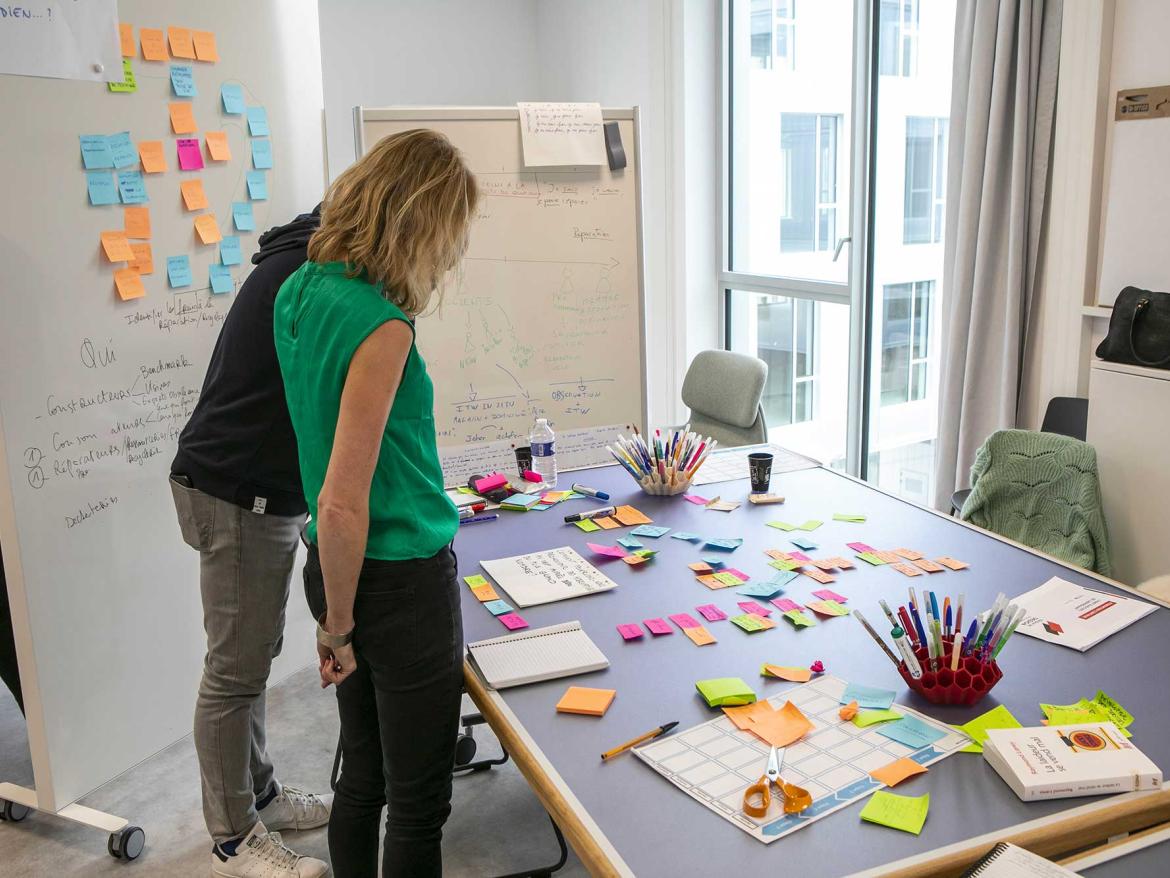
Graduates are agile designers capable of understanding user needs, not just aesthetics or functionality. They are trained in iterative and structured methodologies and can anticipate every stage of a project.





"
For me, design is above all a methodology that leads to thoughtful and coherent projects. Depending on the project, I use different tools such as ergonomics, user experience, emotional design, and more.
"
Since joining the creative campus on Île de Nantes in 2022, the school has further strengthened its close ties with industry. Increasingly diverse, cross-disciplinary projects with professionals help enhance the employability of graduates from L’École de design Nantes Atlantique. They prepare designers who are ready to meet the complex challenges faced by organizations committed to innovation.
Contact us to share your job offers or access our network of graduates: