
City Design Lab
The City Design Lab uses design to explore various issues related to regions and cities, particularly their spatial, social, environmental, and economic transformation and regeneration. It addresses various themes, topics, and questions through the lens of planetary boundaries to promote conditions that make the planet habitable - including social, climate, biodiversity, resource, and energy considerations - with a focus on the public interest and social and spatial justice.

Since 2012, the school has chosen to focus its master’s program on City Design in order to use design to explore the major challenges facing the regions and cities of the future.
Most Common Design Fields and Practices:
- Spatial design: public spaces, interior design, scenography, event installations, etc.
- Object/product design
- Mobility design
- Service design
Emerging and exploratory fields and practices:
- Urban design
- Regional design
- Public and regional policy design
The laboratory is developing an approach that is:
- transdisciplinary, based on the integration of knowledge from design, the humanities and social sciences, and environmental sciences to address the complexity of regional challenges;
- multiscale, linking the various scales of design, from the object to the region and from the local to the international;
- experimental, drawing on design-based research, action research, and on-site experimentation as methods of knowledge production;
- partnership-based, bringing together local governments, businesses, institutions of higher education, public institutions, civil society actors, and citizens with the aim of co-creating knowledge and fostering regional innovation.
"
The City Design Lab aims to advance research, experimentation, and professional practices that support the regeneration of cities and regions. Regenerative design promotes projects that benefit society and nature from a systemic perspective and through a region-specific approach.
"
The City Design Lab approach
Fostering a culture and practices of researcher-practitioners focused on design and regeneration
The City Design Lab at the Nantes Atlantique School of Design conducts research focused on design, collective action, governance, experimentation, and the evaluation of transformations in cities and regions in response to current ecological, climate, democratic, and social challenges.
The laboratory views design as a scientific discipline capable of generating original insights into processes of territorial transformation, but also as a critical practice that enables the analysis of alternative paths toward more equitable, sustainable, inclusive, and regenerative models of development.

From this perspective, cities and regions are no longer viewed as technical entities to be optimized, but as complex socio-ecosystems characterized by constant interactions between ecological dynamics, residents’ practices, infrastructure, institutions, public policies, imaginaries, and living environments. This approach aligns with the work of Jane Jacobs (1961), Denise Scott Brown (1971), Anne Whiston Spirn (1984), Paola Viganò (2012), Marina Alberti (2016), and Kate Orff (2016), who call for moving beyond functionalist approaches to urban planning in favor of a relational, ecological, and evolutionary understanding of territories.
The City Design Lab's designers work across a range of research, action and experimentation levers, covering objects, spaces, services, transport and mobility, governance, urban and territorial projects and more. The Lab team supports the acquisition of knowledge, skills and perspectives by the researchers trained at the City Design Lab.
At the intersection of design sciences, the humanities and social sciences, and environmental sciences, his work analyzes the conditions under which regions can undertake transformations that balance livability, social justice, resilience, and regeneration. The research focuses as much on design processes as on forms of governance, local experiments, public policies, and collective capacities to guide socio-ecological transitions.
This perspective is in line with contemporary developments in design research, which recognize design as a discipline for the production of knowledge in its own right (Buchanan, 1992; Frayling, 1993; Cross, 2006; Jonas, 2007; Dorst, 2015). Rather than reducing design to a problem-solving process, the City Design Lab approaches it as a discipline focused on framing issues, mediating, and exploring possibilities - one capable of revealing interdependencies, sparking debate, developing scenarios, and supporting territorial transformations in contexts marked by uncertainty.
The City Design Lab’s activities
At the heart of the transformations taking place in the "Quartier de la Création" and the city of Nantes, the City Design Lab is a platform for research, education, and innovation that explores new ways of shaping cities and regions.
It brings together research through design, on design, and for design; action research; training; and innovation - in partnership with local governments, institutions of higher education, businesses, public institutions, and international scientific networks - to jointly develop concepts, knowledge, methods, and tools that can be utilized by stakeholders committed to transforming regions.
The City Design Lab’s research areas
1. Design of Urban and Territorial Spaces, Times, and Socio-Ecosystems
Dynamics of Livability Among Societies, Territories, and Living Beings
This research area explores how design contributes to the creation of more livable, inclusive, sustainable, and regenerative urban and regional spaces, times, and socio-ecosystems. It focuses on the interactions between living environments, spaces, landscapes, objects, uses, and ecological dynamics, with the aim of supporting regional transformations in response to environmental, climate, and social challenges.
Research focuses in particular on public spaces, street lighting, mobility, landscapes, heritage, ecological infrastructure, low-tech strategies, environments, approaches to urban and regional design, as well as the relationships between humans and non-humans.
2. Design of Collective Action and Governance
Institutional, Democratic, and Social Systems
This research area analyzes how design is transforming territorial strategies, public policies, governance mechanisms, and institutional innovations. It explores capacities for collective action, public policy instruments, forward-looking approaches, Living Labs, and transition processes at various scales.
Particular attention is paid to inclusive design, citizen participation, and co-design approaches, with the aim of enhancing accessibility, spatial justice, and the ability of communities to accommodate diverse groups and uses.
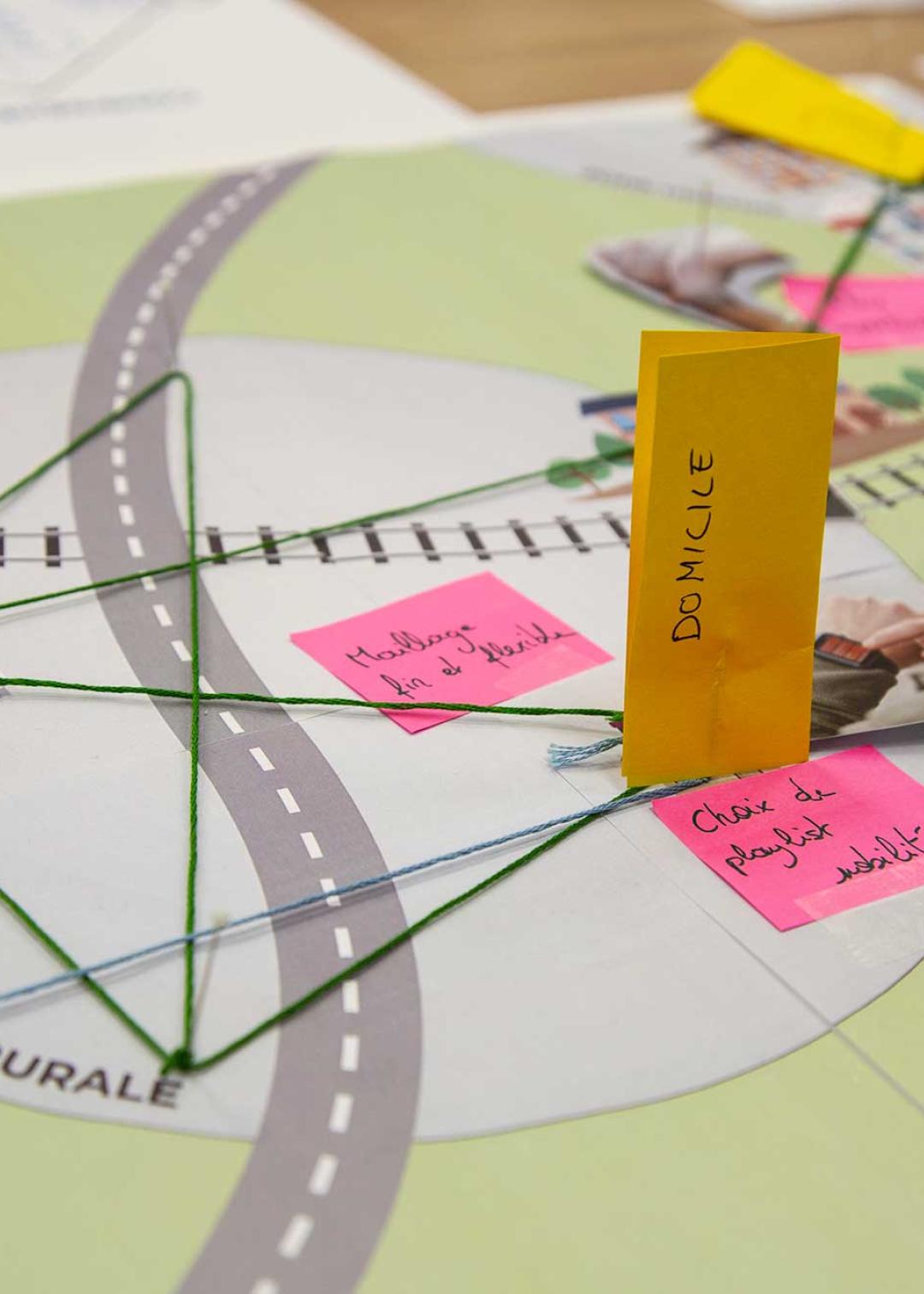
3. Design of Economic Activities, Experiences, and Urban Temporalities
Economy, Experiences, and Land Use in Transitioning Regions
This research area examines changes in economic activities at the regional level: commerce, retail, crafts, industry, tourism, the circular economy, cultural and creative industries, third places, and new forms of production, distribution, and consumption.
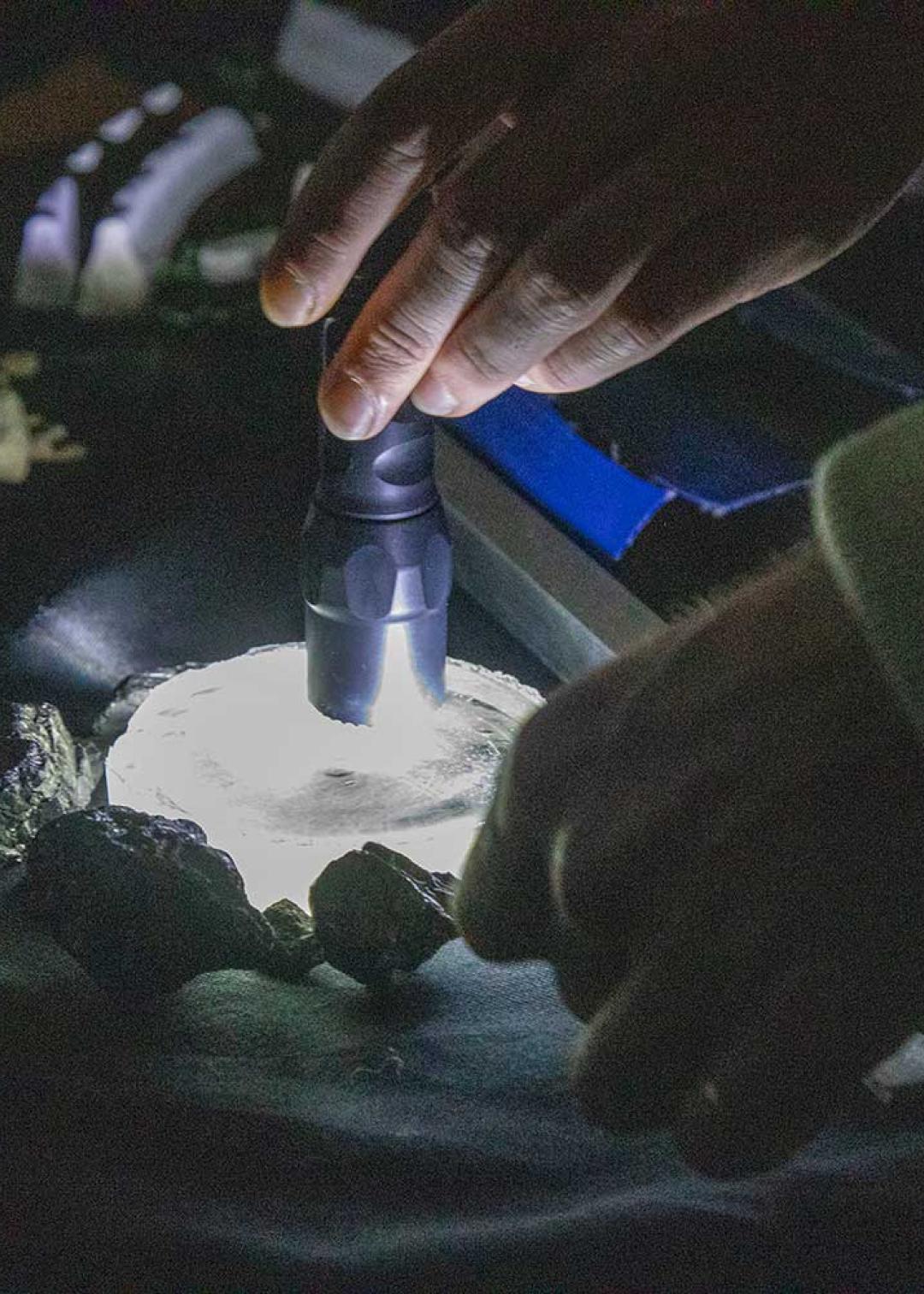
It analyzes the role of design in the evolution of value chains, business models, and experiences in the face of ecological, digital, and societal transitions. It also explores new urban temporalities, particularly the design of nighttime environments (Dark Design), by examining the interactions between economic activities, hospitality, mobility, safety, culture, and the quality of nighttime experiences.
4. Sciences of Space and Time Design and Design-Based Research
Knowledge of Territorial Changes
This research area explores the theoretical, methodological, and epistemological foundations of territorial planning. It draws on design-based research, action research, participatory approaches, evaluation methods, and artificial intelligence, representation tools, foresight, and visualization methods to generate new insights into territorial trajectories and the conditions governing their transformation.
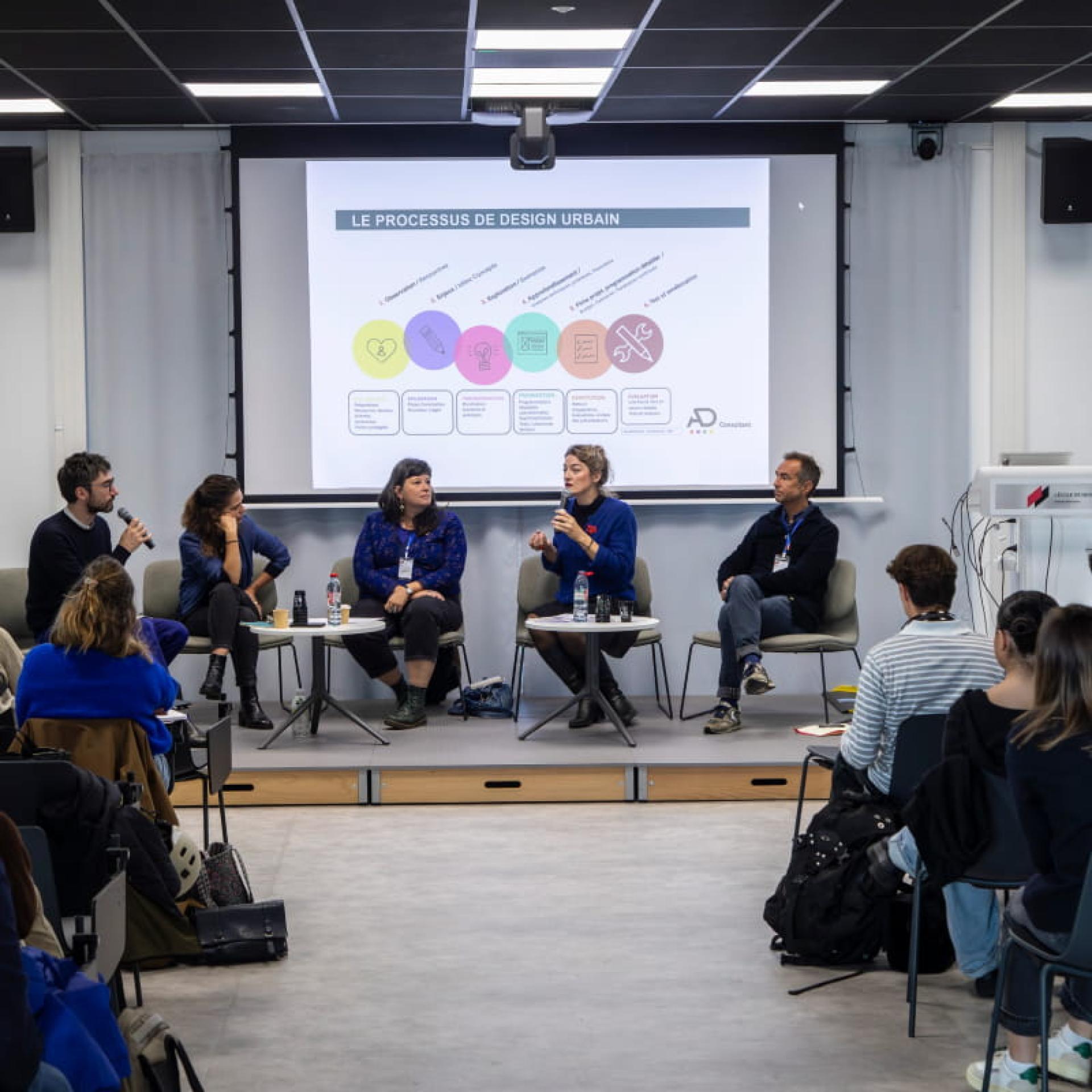
A More Robust Scientific Approach
This framework encompasses four complementary research areas:
- Human-Shaped Environments: understanding the interactions between societies, territories, and living organisms;
- Collective Action: building institutional, democratic, and inclusive capacities in local communities ;
- Economic dynamics: supporting changes in commerce, productive activities, and urban rhythms ;
- Knowledge: developing theories, methods, and tools for research in territorial design.
The methodology
The laboratory is developing an integrated methodological approach that combines several complementary design paradigms:
- Strategic design supports decision-making processes, public policies, and transformation dynamics at various levels. It helps make complex situations more understandable, coordinate stakeholders and resources, and collectively develop courses of action.
- Regenerative design and circular design explore the conditions for co-evolution between human activities and ecosystems, going beyond simply reducing impacts. They promote frugality, reuse, resilience, and the creation of ecological and social value at the regional level.
- Low-tech design examines needs, uses, and technological dependencies in order to develop solutions that are simple, robust, repairable, and adaptable. At the regional level, it also makes it possible to rethink local resources, infrastructure, living practices, and forms of cooperation and governance.
- Design fiction draws on narratives, imagination, and future scenarios to bring various possible futures to life. It enables us to explore their social, environmental, and political implications and to open up a collective discussion about desirable paths forward.
- Usage-centered approaches, particularly user experience (UX) design, make it possible to analyze lived experiences, residents’ practices, and behaviors within their context. They thus help to design spaces, services, and public policies that are more attuned to needs, actual uses, and the conditions under which people engage with them.
Depending on the research context, these approaches are complemented by methods such as co-design, field observation, mapping, prototyping, in situ experimentation, and evaluation. Combining these methods makes it possible to integrate exploration, design, experimentation, and knowledge production within a transdisciplinary research framework aimed at fostering territorial transformations.
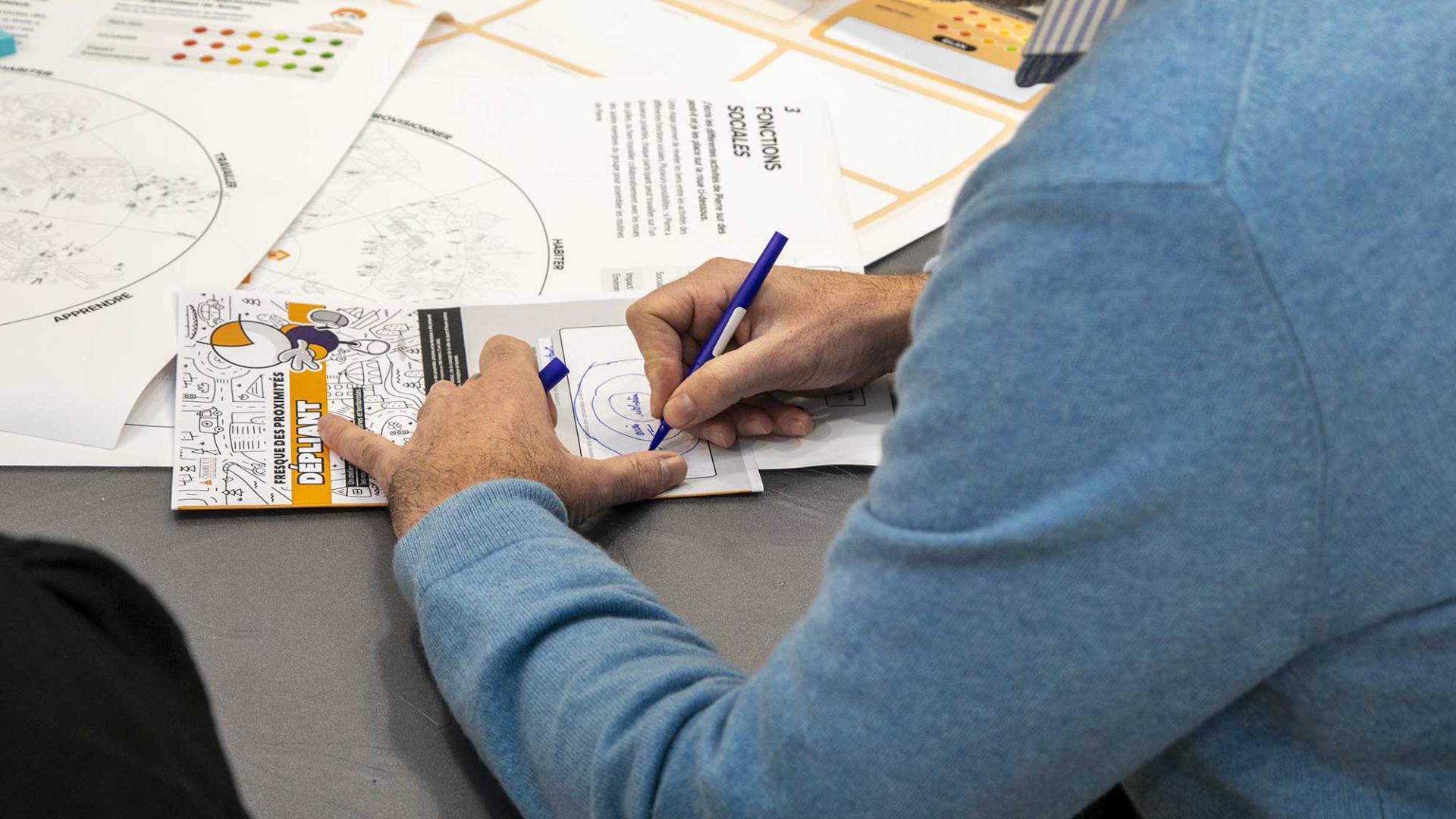



A transdisciplinary approach
The City Design Lab draws on all fields of design - spatial design, object design, service design, mobility design, public policy design, and territorial project design - as a design discipline at the intersection of the humanities, social sciences, and environmental sciences.
This unique interdisciplinary approach brings together perspectives from urban planning, geography, architecture, ecology, political science, sociology, anthropology, economics, as well as the life sciences and environmental sciences, in order to analyze, experiment with, and support the transformations of cities and regions.
Concrete
Do you know which industry is the most polluting in France? The construction industry. On a global scale, this industry is responsible for 39% of the world's greenhouse gas emissions. Sensitive to...
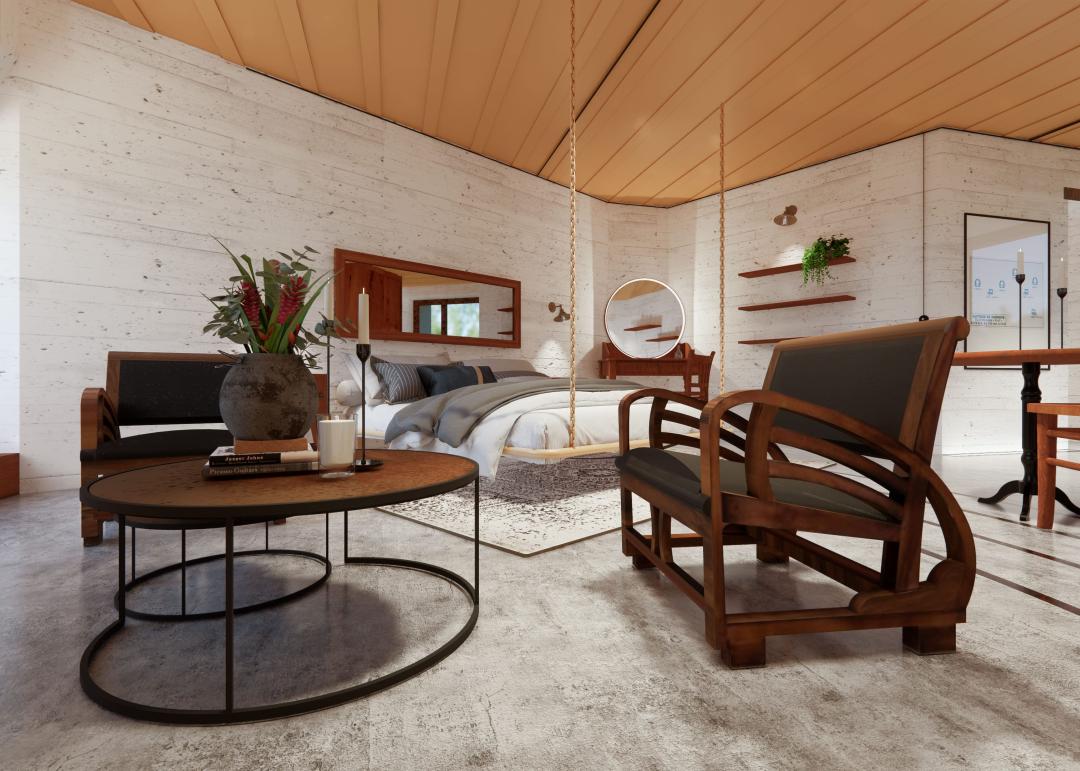
Architecture Type - Blockhouses: the new tourist trend?
Since World War II, the remains of thousands of bunkers have dotted France's Atlantic coast. Roxane asked herself: how can we reuse this built heritage without obscuring its historical value? By...
Become a partner of the City Design Lab
Whether you're a business, nonprofit, or local government, are you looking to improve the quality of your projects and their user experiences? Do you have a challenge or a complex area to explore?
The City Design Lab offers you different types of collaborative projects:
- collaborative workshops;
- consulting assignments;
- research tax credit;
- chairs dedicated to the public interest, which may be eligible for corporate sponsorship through the school’s endowment fund;
- research contracts;
- hosting doctoral students in design.
The services provided are eligible for the Research Tax Credit.
Tell us about your project and we will get back to you promptly: projet@lecolededesign.com
The partners
Academic networks and international partnerships


Companies


Institutions and NGOs


The City Design Lab Team
Sophie Eberhardt
Director of the City Design Lab
s.eberhardt@lecolededesign.com
A senior lecturer in urban planning and regional development and director of the City Design Lab (Cities and Territories Laboratory) at the L'École de design Nantes Atlantique, her research and teaching focus in particular on ecological and social reorientation, territorial design, and issues related to built heritage in urban projects.
At the Czech Technical University in Prague, she co-developed a methodology for evaluating buildings and urban spaces based on an examination of heritage values (urban, architectural, historical, technical, scientific, etc.) with Martin Pospisil and contributed to the drafting of the ISO 13822 standard in the Czech Republic (CSN 73 0038 and CSN 73 0043) concerning the design basis for structures and the evaluation of existing structures.
She participated in research projects conducted by Lépac on topics related to cities, regions, and urban mobility, particularly for the program “Le Dessous des Cartes,” which airs on Arte.
Through her consulting firm (Eidon Heritage), she contributed to the supplementary study for the revision and expansion of the Preservation and Enhancement Plan (PSMV) for Strasbourg’s notable heritage area, a project led by Atelier Grégoire André architecture patrimoine (2017–2021).
Her work also contributed to the preparation of the nomination dossier for the inclusion of Strasbourg’s Grande-Île and Neustadt districts on the UNESCO World Heritage List, as well as to the selection of the first buildings and complexes in Alsace to be officially designated as “20th-Century Heritage.”
She has also carried out various scientific and professional assignments at organizations and institutions specializing in architecture, land-use planning, urban planning, and cultural heritage in France - notably at the French Ministry of Culture, the City and Eurometropolis of Strasbourg and the Alsace Regional Directorate of Cultural Affairs - in Ireland, Spain, Luxembourg, and the Czech Republic.
Anaïs Jacquard
Head of the master's level degree program in City Design
Anaïs Jacquard, who holds a State Architect’s Degree and an Advanced Technician’s Certificate in Spatial Design, is the academic director of the City Design Lab at the Nantes Atlantique School of Design.
Since 2015, she has been supporting the theoretical and practical training of domestic and international students, coordinating every stage of their academic journey to ensure their immediate entry into the professional world and to foster innovation in regional development and its ongoing transformations.
She has built her professional career around the practice of architecture, design, and education in these disciplines, with a focus on pedagogical innovation in the field of experimental territorial development (teaching project-based practice in design and architecture at various levels, as well as modules on the epistemology of architecture, the science of forms, and cartography; she has also taught applied computer science).
She also works on research projects focused on developing digital tools for observing territorial singularities (GIS), exploring inclusive design, and creative methodologies through international collaboration.
She also supports industry stakeholders in integrating sustainability considerations and in evolving their governance and development models. Since 2025, it has notably supported the RAGNI GROUP as an external member of its steering committee, as part of the group’s transformation into a mission-driven company. Drawing on its expertise in urban design and the work of the City Design Lab, it contributes to this governance initiative aimed at placing sustainability issues at the heart of the company’s management and strategy. This initiative builds on a CSR policy that has been in place for about a decade and aims to bring the group’s purpose to life over the long term: “to shape and highlight living spaces, and to unite efforts to promote the well-being, mobility, and safety of territories and people in harmony with the natural world.”
- Emmanuel Alouche - interior architect, project manager and specialist in circular design
- Julien Dupont - scenographic architect, in charge of monitoring apprenticeship students, teaching assignments and projects
- Emmanuelle Gangloff - doctorate in urban planning and scenography, project and dissertation manager, specialist in the construction of territories
- Clémentine Laurent-Polz - HMONP architect, project manager and specialist in accessibility and circular design
- Stéphanie Le Carluer - architect HMONP, project and brief manager, specialist in environmental demands
- Julie Legrand - consultant in cultural mediation and accessibility, accessibility workshop leader
- Frédérique Letourneux - doctorate in journalism, approach to surveys, fieldwork, projects and briefs
- Chantal Mac Gowan - English and TOEIC teacher, English courses and TOEIC preparation
- Anne-Gaëlle Person - specialist in mobility, regional planning and equipment
- Giulia Sola - space and naval designer, in charge of partnership projects
- Arnaud Surzur - senior lecturer in law, in charge of the legal department
Some Alumni stories
- Laura Martin - Project Manager Interior designer at Morning
- Tanguy Prigent - Lead Product Designer at Alstom (Design department)
- Laura Pasquier - Architect Designer at junya.ishigami+associates (Tokyo, Japon)